

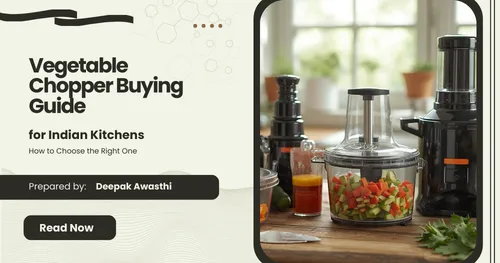
Vegetable Chopper Buying Guide for Indian Kitchens: How to Choose the Right One
Indian cooking is a beautiful blend of spices, flavors, and textures. But behind every delicious meal is a significant amount of preparation, especially chopping vegetables. From the daily trio of onions, tomatoes, and garlic to a colorful mix for pav bhaji, the prep work can be time-consuming. This is why vegetable choppers have become a must-have tool in modern Indian kitchens. They promise to cut down chopping time, making daily cooking much faster and more manageable.
However, with so many options available online and in stores, choosing the right one can be confusing. Should you get a manual one or an electric one? What size is best? Are the blades safe? This comprehensive vegetable chopper buying guide is here to answer all your questions. We will help you understand everything you need to know to select a chopper that fits your needs perfectly.
A vegetable chopper is a kitchen tool designed to quickly cut, chop, or dice vegetables with minimal effort, making daily cooking faster and easier.
What Is a Vegetable Chopper & How Does It Work?
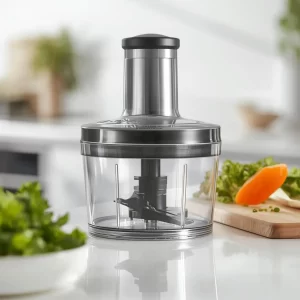
At its core, a vegetable chopper is a simple device that makes cutting vegetables incredibly efficient. It consists of a container, a lid, and a set of sharp blades. When you operate the chopper, either by pulling a cord or pressing a button, the blades spin at a high speed inside the container.
This rapid blade movement cuts the vegetables into small, uniform pieces. Unlike chopping with a knife, where achieving even pieces requires skill and time, a chopper does it in seconds. The contained design also means less mess on your kitchen counter. It’s a straightforward tool designed for one primary purpose: to make chopping fast, easy, and consistent.
Types of Vegetable Choppers – Manual vs Electric
The first major decision you’ll face in this vegetable chopper buying guide is choosing between a manual and an electric model. Both have their own advantages and are suited for different types of users.
Manual Vegetable Chopper
A manual vegetable chopper, often called a string chopper or pull-cord chopper, is the most popular type in Indian homes. It works without electricity. You place the vegetables inside the container, close the lid, and pull a string or cord. Each pull causes the blades to spin rapidly, chopping the contents.
The more you pull, the finer the chop. This gives you excellent control over the texture, whether you want coarse chunks for a stir-fry or finely minced onions for a gravy base.
Manual chopper uses include chopping onions, tomatoes, garlic, ginger, chilies, herbs, and even nuts. They are perfect for daily cooking tasks.
Who is it best for?
- Home cooks who need a simple tool for daily chopping.
- Those who want control over the size and texture of their vegetables.
- Small families and individuals.
- Budget-conscious buyers looking for an affordable and durable solution.
Electric Vegetable Chopper
An electric vegetable chopper works with a motor. You place the vegetables in the bowl, secure the lid, and press a button. The motor powers the blades, chopping the contents very quickly. They are more powerful than manual choppers and can often handle slightly larger quantities.
However, they offer less control. A few extra seconds of processing can turn your vegetables into a paste, which is not always desirable for Indian cooking. They are also bulkier, require a power outlet, and can be noisier.
Who is it best for?
- Users who need to chop large quantities of vegetables frequently.
- People with physical limitations who find pulling a cord difficult.
- Kitchens where speed is more important than precise texture control.
Manual Chopper vs Mixer Grinder – Which Is Better? Vegetable Chopper Buying Guide
Many Indian households already own a mixer grinder, leading to the question: is a chopper really necessary? While a mixer grinder is a powerhouse for grinding spices and making purees, it is not ideal for chopping. The chopper vs mixer grinder comparison comes down to function and texture.
| Feature | Manual Vegetable Chopper | Mixer Grinder |
| Purpose | Chopping, dicing, and mincing vegetables. | Grinding, blending, and making purees. |
| Speed | Fast, but manually controlled. | Very fast, powered by a strong motor. |
| Texture Control | Excellent. You can control the size of the pieces. | Poor. Often turns vegetables into a watery paste. |
| Cleaning Effort | Easy to clean. Most parts are detachable and washable. | Can be difficult to clean, especially the jars and blades. |
| Daily Convenience | Very convenient for quick, small-batch chopping. | Less convenient for simple chopping due to its size and setup. |
In short, a chopper is designed to chop, while a mixer grinder is designed to grind. If you want finely chopped onions for your biryani or chunky vegetables for a salad, a vegetable chopper is the right tool for the job. Using a mixer grinder will result in a mushy texture because its blades are designed to pulverize, not cut.
Blade Material & Safety – What You Must Check
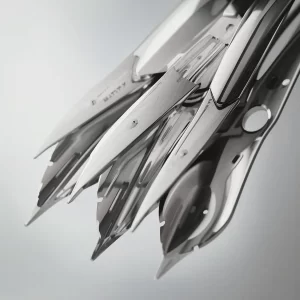
The heart of any vegetable chopper is its blades. The quality and design of the blades determine the chopper’s performance, durability, and safety.
Stainless Steel Blades: Always choose a chopper with blades made from high-quality, food-grade stainless steel. This material is resistant to rust, corrosion, and staining. It ensures that the blades remain sharp for a long time and do not react with acidic foods like tomatoes.
Sharpness & Durability: The blades should be razor-sharp to cut through vegetables cleanly without crushing them. A good chopper will have 3 to 5 blades arranged at different levels to ensure even chopping from top to bottom.
Safety Features:
- Lid Locking System: A secure lock is crucial. The chopper should not operate unless the lid is properly locked in place. This prevents accidental splashes and keeps your hands safe.
- Non-Slip Base: Look for a chopper with a silicone or rubber ring at the base. This keeps the container stable on your countertop while you are pulling the cord, preventing it from slipping.
Blade quality is non-negotiable. Poor-quality blades will become dull quickly, struggle with harder vegetables, and may even break, posing a safety risk.
Right Capacity for Indian Cooking Needs
Vegetable choppers come in various sizes, typically measured in milliliters (ml). Choosing the right capacity is important for convenience and efficiency.
- Small Capacity (300ml – 500ml): Ideal for bachelors, couples, or small families. This size is perfect for daily tasks like chopping one or two onions, a handful of garlic, or green chilies for a single meal.
- Medium Capacity (600ml – 900ml): This is the most popular size and a great vegetable chopper for home use for a family of 3-5. It can handle enough vegetables for a daily sabzi or dal tadka in one go.
- Large Capacity (1000ml and above): Best for large families or for those who do a lot of meal prepping. This size allows you to chop a larger quantity of vegetables at once, saving time during the week.
A common mistake is overfilling the chopper. This strains the mechanism and leads to uneven chopping. It’s always better to chop in two small batches than to overfill and struggle with one large one.
Common Use Cases in Indian Kitchens
A manual chopper is incredibly versatile for everyday Indian cooking. Here’s how it handles common ingredients:
- Onions: It’s a game-changer for chopping onions. You get finely chopped onions in seconds without any tears.
- Tomatoes: You can get perfectly diced tomatoes for gravies and salads. Just be careful not to over-pull, or they might become too mushy.
- Garlic, Ginger & Green Chilies: Mincing these ingredients for tadkas and pastes becomes effortless.
- Salad Vegetables: Chopping cucumber, carrots (if boiled or tender), and capsicum for salads is quick and easy.
- Nuts & Dry Fruits: You can coarsely chop almonds, cashews, and walnuts to garnish sweets like kheer or halwa.
However, remember its limitations. A manual chopper is not designed for grinding hard spices or making batters.
How to Maintain & Clean a Vegetable Chopper

Proper maintenance ensures your chopper lasts long and stays hygienic. Follow these simple chopper cleaning tips:
- Handle Blades with Care: The blades are extremely sharp. Never touch them with your bare hands. Hold them by the plastic stem.
- Immediate Washing: Wash the chopper parts right after use. This prevents food particles from drying and sticking, which can cause odors.
- Use Lukewarm Water: A simple rinse with lukewarm water and a drop of liquid soap is usually enough. Use a soft brush to clean the blades if needed.
- Dry Completely: After washing, let all the parts air-dry completely before reassembling them. Storing a wet chopper can lead to a musty smell.
- Prevent Odors: For strong odors like garlic or onion, you can soak the container in a solution of warm water and a little baking soda for about 15 minutes.
Best Vegetable Chopper – What Really Matters?
There is no single “best vegetable chopper” that suits everyone. The right choice depends on your specific needs. Instead of looking for a specific brand, focus on these key factors:
- Build Quality: Is the plastic body made of sturdy, BPA-free material? Does it feel solid and durable?
- Blade Sharpness & Design: Are the blades made of high-grade stainless steel? Are they well-designed for even chopping?
- Ease of Use: Is the pull-cord mechanism smooth? Is the lid easy to lock and unlock?
- Cleaning Convenience: Are the parts easy to disassemble and clean? Is it dishwasher-safe (if that’s a priority for you)?
An educational approach is better than a promotional one. A chopper that excels in these four areas will provide the best value for your money.
Common Mistakes While Buying a Vegetable Chopper
Avoid these common pitfalls to make a smart purchase:
- Buying Very Cheap Plastic Models: Extremely cheap choppers often use brittle plastic that can crack easily.
- Ignoring Blade Quality: Opting for a chopper with flimsy, low-grade blades will lead to poor performance and a short lifespan.
- Choosing the Wrong Size: Buying a chopper that’s too small for your family will be frustrating, while one that’s too large can be cumbersome to use and store.
- Expecting Mixer-Grinder Performance: A chopper is for chopping, not for grinding hard spices or making liquid purees.
- Not Checking Safety Features: Skipping checks for a non-slip base and a secure lid lock can lead to accidents.
Final Checklist – Before Buying a Vegetable Chopper
Before you make your final decision, run through this quick checklist:
- ✔ Strong, rust-proof stainless-steel blades.
- ✔ The right capacity for your family’s size.
- ✔ A secure safety lock and a stable, non-slip base.
- ✔ A design that is easy to disassemble for cleaning and storage.
- ✔ Suitability for chopping common Indian vegetables like onion and tomato.
Conclusion of
A good vegetable chopper is more than just a kitchen gadget; it’s a time-saving companion for the Indian home cook. By handling the most repetitive part of cooking, it frees up your valuable time and energy. This vegetable chopper buying guide has walked you through all the essential aspects, from types and capacity to safety and maintenance. By focusing on build quality, blade performance, and ease of use, you can choose a tool that will serve you well for years.
The right vegetable chopper doesn’t just save time—it makes everyday cooking simpler and more enjoyable.
Also, Read: The Ultimate Guide to 15 Types of Mixer Grinders for Every Kitchen
FAQs – Vegetable Chopper Buying Guide
Can onions be chopped without tears?
Yes. Since the chopping happens inside a closed container, the sulphuric compounds released by onions that cause tears are contained. This is one of the most popular benefits of using a vegetable chopper.
Is a manual chopper better than an electric one?
For most Indian homes, a manual chopper is better. It offers superior control over the texture, is more affordable, easier to clean, and doesn't require electricity. An electric one is only better for very large quantity chopping.
How long do chopper blades last?
With proper care, the stainless-steel blades of a good quality chopper can remain sharp for several years. Avoid using it for very hard items like frozen foods or bones to maintain their sharpness.
Can a chopper replace a mixer grinder?
No, they serve different purposes. A chopper cuts vegetables into pieces, whereas a mixer grinder pulverizes ingredients into a paste or powder. You need both for a fully functional kitchen.