


Find the Best Coffee Maker in India (2026 Guide)
The right coffee maker can transform your daily routine, turning a simple morning ritual into a delightful experience. But with so many options available, finding the perfect coffee machine for home use in India can feel overwhelming. From the rich tradition of a South Indian filter coffee machine to the convenience of a modern electric coffee maker, the choices are vast.
This guide is designed to be your ultimate resource. We’ll explore everything you need to know to find the best coffee maker in India for your specific needs. We’ll cover different types, brewing methods, essential features, and what to look for in 2026. You will learn the difference between a filter coffee maker and an espresso machine, master the art of the perfect filter coffee process, and get a clear picture of the coffee maker machine price in India.
By the end of this article, you’ll have the confidence to choose the ideal coffee brewing machine that will bring café-quality coffee right into your kitchen.
Best Coffee Maker in India: Market & What to Expect in 2026
The landscape for coffee lovers in India is more exciting than ever. The market is seeing a surge in demand for high-quality coffee appliances, moving beyond instant coffee to freshly brewed experiences. Consumers are becoming more discerning, seeking not just convenience but also quality and customization in their brew.
Key trends for 2026 include a growing appreciation for specialty coffee, leading to more interest in machines like a coffee maker with grinder. Energy efficiency is also a major consideration, with many looking for appliances with good energy star ratings to manage household costs. Furthermore, safety is paramount. Look for the BIS and ISI marks on any electric coffee machine, which certify that the product meets India’s strict safety standards (as per IS 302). This ensures your modern coffee brewing appliance is not only effective but also safe for daily use.
Who Are You? Matching the Coffee Maker to Your Lifestyle
The “best” coffee maker is subjective. It depends entirely on your habits, tastes, and how you plan to use it. Let’s identify which type of coffee drinker you are.
- The Home Barista: You love the ritual of coffee. You want control over your brew, from grind size to water temperature. You’re looking for the best filter coffee maker or perhaps a versatile drip coffee machine.
- The Busy Professional: You need a quick, no-fuss solution for your morning cup. An electric coffee maker that is easy to use and clean is your top priority. A small coffee maker for home that gets the job done fast is ideal.
- The South Indian Coffee Aficionado: You cherish the unique taste of traditional filter kaapi. For you, nothing beats a classic stainless steel coffee maker or a dedicated South Indian coffee filter. You value the authentic coffee decoction pot.
- The Office Manager or Café Owner: You need a robust, high-capacity machine that can serve multiple people quickly. A commercial filter coffee machine is essential for keeping your team or customers happy.
- The Budget-Conscious Buyer: You want a great cup of coffee without a hefty price tag. You’re searching for an affordable coffee maker for Indian households that offers the best value.
- The Beginner: You’re new to the world of brewing and want a filter coffee machine for beginners. Simplicity and ease of use are your main criteria.
Understanding Brewing Methods: Finding Your Perfect Match
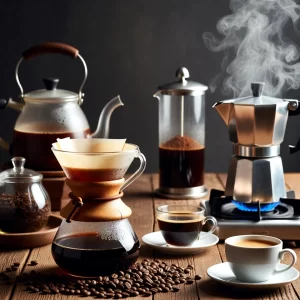
The method defines the coffee. Let’s break down the most common types of coffee makers you’ll find in India.
Filter Coffee: The Heart of Indian Coffee Culture
Filter coffee is a gentle brewing method where hot water flows through coffee grounds, usually with the help of gravity. This process extracts the flavour slowly, resulting in a smooth, aromatic, and less acidic cup.
The Traditional South Indian Filter Coffee Machine
This is the quintessential traditional Indian coffee maker. Typically a stainless steel coffee maker, it consists of two cylindrical chambers, a tamper, and a lid. It’s designed to create a thick, strong liquid called decoction.
- Best for: Purists who love the authentic, rich taste of South Indian filter coffee.
- Process: Hot water is poured over coffee grounds in the top chamber and slowly drips through a perforated filter into the bottom chamber, creating the coffee decoction maker. This decoction is then mixed with hot milk and sugar.
The Modern Drip Coffee Machine
This is the most common type of electric coffee maker globally. It automates the filter coffee process. You add water to a reservoir and ground coffee to a filter basket, and the machine heats the water and drips it over the grounds into a carafe below.
- Best for: Families, offices, or anyone who wants to brew multiple cups at once with minimal effort. It’s an excellent coffee maker for home use.
- Process: An internal heating element warms the water, which travels up a tube and is dispersed over the coffee grounds. The brewed coffee collects in the filter coffee pot.
Espresso Machines: The Power of Pressure
Espresso is a concentrated form of coffee brewed by forcing a small amount of nearly boiling water under high pressure through finely-ground coffee beans. This results in a potent shot with a rich layer of “crema” on top.
- Best for: Those who enjoy strong, intense coffee like lattes, cappuccinos, or a straight espresso shot.
- Process: These machines use a powerful pump to create pressure (typically 9 bars or more) to extract flavour rapidly.
The Big Question: Difference Between Filter Coffee Maker and Espresso Machine
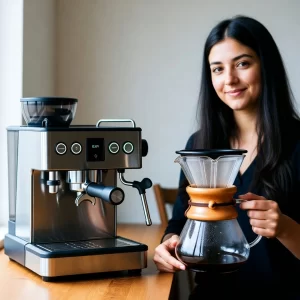
This is a common point of confusion. Here’s a simple breakdown:
| Feature | Filter Coffee Maker | Espresso Machine |
| Brewing Method | Gravity & hot water | High pressure & hot water |
| Grind Size | Medium to coarse | Fine |
| Brew Time | Longer (4-6 minutes) | Shorter (25-30 seconds) |
| Taste Profile | Smoother, lighter body, nuanced | Intense, bold, full-bodied |
| Caffeine | Less concentrated per ml, but higher per cup (due to volume) | Highly concentrated per ml, but less per shot (due to volume) |
| Result | Brewed coffee / Decoction | Espresso shot |
| Versatility | Primarily for black coffee or with milk | Base for many drinks (latte, americano, cappuccino) |
| Price | Generally more affordable | More expensive |
For most Indian households seeking a simple, reliable daily brew, a filter coffee maker machine is often the more practical and affordable coffee maker for Indian households.
Mastering the Brew: How to Make South Indian Filter Coffee
Creating the perfect cup of South Indian filter coffee is an art. Here’s a step-by-step guide using a South Indian coffee filter.
What You’ll Need:
- A South Indian filter coffee machine (the two-chamber steel vessel)
- Filter coffee powder (a blend of coffee and chicory)
- The included tamper/press disc
- Boiling hot water
- Hot milk and sugar to taste
The Filter Coffee Process: A Step-by-Step Guide
- Assemble the Filter: Place the top chamber with the perforated bottom onto the lower collection chamber, or coffee decoction pot.
- Add Coffee Powder: Add 2-3 heaping tablespoons of filter coffee powder into the top chamber. The amount depends on how strong you like your decoction.
- Tamp Gently: Place the disc with the handle on top of the coffee powder and press down gently. The goal is to level the grounds, not to pack them tightly. Remove the disc.
- Pour Hot Water: Bring water to a rolling boil. Pour it slowly and evenly over the coffee grounds until the top chamber is about three-quarters full.
- Let it Brew: Cover the filter with the lid and wait. The filter coffee process will now begin. It will take about 15-20 minutes for the brewed decoction to drip into the bottom chamber. Do not disturb it during this time.
- Serve and Enjoy: Once the dripping stops, your strong decoction is ready in the coffee decoction maker for home. To serve, pour 1/4 part decoction into a cup. Add 3/4 part hot, frothy milk. Add sugar as desired. Traditionally, it’s poured back and forth between two tumblers (a tumbler and dabara) to cool it and create a nice froth.
Choosing Your Machine: A Materials and Technical Guide
Understanding what your coffee maker is made of and how it works can help you make a better choice.
Materials Matter: The Stainless Steel Advantage
Many traditional and modern coffee makers are available in different materials, but stainless steel is often the superior choice.
Stainless Steel Coffee Maker Benefits:
- Durability: Stainless steel is incredibly tough and resistant to rust, corrosion, and staining. A good stainless steel coffee maker can last for years.
- Health & Safety: Unlike plastic, food-grade stainless steel (like 18/8 grade) does not leach chemicals into your hot coffee. It’s a non-reactive material, ensuring the pure taste of your coffee is not altered.
- Heat Retention: Steel retains heat well, which helps in maintaining the optimal brewing temperature throughout the filter coffee process.
- Easy to Clean: The smooth, non-porous surface is easy to clean and doesn’t harbor bacteria or old coffee oils.
Under the Hood: How Electric Coffee Makers Work
Ever wondered what happens when you press the ‘start’ button on your drip coffee machine? It’s a simple yet clever process.
- Water Reservoir: You fill this chamber with cold water.
- Heating Element: A resistive heating element, typically an aluminum tube, at the base of the machine heats up.
- Water Flow: Cold water from the reservoir flows into one end of the tube. As it heats up, it boils and expands.
- Up the Tube: The boiling action forces the hot water and steam up a second tube (usually made of silicone or rubber).
- The “Shower Head”: The hot water is then dispersed over the coffee grounds in the filter basket through a part that acts like a shower head, ensuring even saturation.
- Brewing and Collection: The water extracts flavor as it passes through the grounds and drips into the carafe or filter coffee pot waiting below. A warming plate under the carafe keeps your coffee hot.
Keeping It Fresh: Cleaning and Maintenance
A clean machine makes better-tasting coffee. Regular maintenance is crucial, especially in areas with hard water.
How to Clean a Coffee Maker at Home: Daily and Weekly
- Daily: After each use, discard the coffee grounds and rinse the filter basket and carafe with warm water. Leave the lid of the water reservoir open to allow it to air dry completely.
- Weekly: Wash the carafe, filter basket, and any other removable parts with warm, soapy water. This removes coffee oils that can build up and turn rancid, affecting the taste.
Descaling for Indian Hard Water with Citric Acid
Hard water, common in many parts of India, contains minerals like calcium and magnesium. Over time, these minerals build up inside your best coffee maker in India, a process called scaling. This can clog the machine, slow down brewing, and affect the temperature and taste of your coffee.
Descaling with citric acid is a cheap, effective, and food-safe method.
How to Descale:
- Create the Solution: Dissolve one to two tablespoons of citric acid powder in one liter of water. Stir until it’s fully dissolved.
- Fill the Reservoir: Pour this solution into your coffee maker’s water reservoir.
- Run a Brew Cycle: Run a full brewing cycle without any coffee in the filter basket. This allows the acidic solution to circulate through the machine’s internal parts, dissolving the mineral deposits.
- Let it Sit (Optional): For heavy buildup, let the solution sit in the machine for about 20-30 minutes after the cycle finishes.
- Rinse Thoroughly: Discard the cleaning solution from the carafe. Fill the reservoir with fresh, clean water and run two to three full brewing cycles. This is crucial to rinse away any remaining citric acid, ensuring your next cup of coffee tastes pure.
Aim to descale your machine every 2-3 months, or more often if you have very hard water.
Size and Price: Finding the Right Fit for Your Space and Budget
Sizing Guide: Small vs. Commercial
- Mini Coffee Maker / Small Coffee Maker for Home: These are perfect for individuals, couples, or kitchens with limited counter space. They typically brew 1-4 cups at a time. A mini coffee maker is an excellent, space-saving choice.
- Standard Coffee Maker for Home: The most common size, these machines usually have a capacity of 8-12 cups, making them ideal for most families or those who entertain guests.
- Commercial Filter Coffee Machine: Built for high-volume environments like a coffee maker for office or cafe, these machines can brew large quantities quickly and often have multiple warmers to keep coffee ready to serve. They are built for durability and continuous use.
Price Guide: What to Expect
The coffee maker machine price in India varies widely. Here’s a general breakdown:
- Traditional South Indian Filter Coffee Maker: ₹300 – ₹1,500. The price depends on size and steel quality.
- Basic Electric Drip Coffee Machine: ₹1,500 – ₹4,000. This is the sweet spot for an affordable coffee maker for Indian households.
- Mid-Range Drip Coffee Maker / Coffee Maker with Grinder: ₹4,000 – ₹10,000. These often have more features like programmable timers, strength control, and built-in grinders. The filter coffee machine price increases with these features.
- High-End Espresso and Specialty Machines: ₹10,000 – ₹50,000+. This range includes advanced home espresso machines and bean-to-cup models.
The Ultimate Checklist: How to Choose a Coffee Maker for Home Use
Use this checklist to narrow down your options:
- Brew Type: Do I want filter coffee, espresso, or something else?
- Capacity: How many cups do I need to make at once? (Consider a small coffee maker for home vs. a larger model).
- Convenience: Do I prefer a manual traditional Indian coffee maker or an automated electric coffee machine?
- Features: Do I need a timer, strength control, a built-in grinder, or a thermal carafe?
- Material: Am I looking for the durability and safety of a stainless steel coffee maker?
- Size & Footprint: How much counter space do I have?
- Budget: What is my ideal coffee maker machine price in India?
- Maintenance: Am I prepared for the required cleaning and descaling?
- Safety: Does the electric coffee maker have BIS/ISI certification?
2026 Coffee Maker Buying Guide India: Top Picks
After extensive evaluation, here is a shortlist of the best coffee makers across key categories for 2026.
- Best Coffee Maker in India: Look for a versatile drip coffee machine with brew-strength control and a thermal carafe. It offers a balance of convenience, quality, and functionality perfect for most Indian homes.
- Best Filter Coffee Maker (Electric): The ideal drip coffee machine in this category will feature a “shower head” design for even water distribution and a permanent, washable filter for sustainability.
- Best South Indian Filter Coffee Machine: Choose a classic stainless steel coffee filter from a reputable brand. Ensure it’s made from high-grade (304 or 18/8) stainless steel for longevity and pure taste.
- Best Coffee Machine for Indian Homes: A machine that can handle both quick morning brews and larger batches for guests is ideal. A 10-cup programmable drip coffee maker fits this role perfectly.
- Best Coffee Maker with Grinder: For the freshest coffee, a model with an integrated burr grinder is superior to a blade grinder. It provides a consistent grind size for better flavour extraction.
- Best Affordable Coffee Maker for Indian Households: A simple, reliable 4-6 cup electric coffee maker from a trusted brand offers fantastic value and is a great filter coffee machine for beginners.
- Best Coffee Maker for Office or Cafe: A heavy-duty commercial filter coffee machine with a large capacity (over 2 liters) and a direct water line connection is the most efficient choice.
Conclusion: best coffee maker in India
Choosing the best coffee maker in India is a personal journey. Whether you’re drawn to the timeless ritual of a South Indian coffee filter or the push-button ease of a modern coffee brewing appliance, there is a perfect machine for you.
By considering your lifestyle, understanding the brewing methods, and prioritizing features that matter to you—from material quality to maintenance—you are now equipped to make an informed decision. The perfect cup of coffee is not just about the beans; it’s about the machine that brews them.
Ready to explore your options? Browse our curated selection of coffee makers to find the one that will elevate your coffee experience every single day.
Frequently Asked Questions (FAQ)
How much does a good coffee machine cost in India?
The coffee maker machine price in India can range from around ₹500 for a basic traditional Indian coffee maker to over ₹15,000 for high-end models. A good quality electric coffee maker for home typically costs between ₹2,000 and ₹5,000.
What is the difference between a filter coffee maker and a drip coffee machine?
They are often used interchangeably, but generally, a "filter coffee maker" is a broad term. A drip coffee machine is a specific type of electric filter coffee maker that automates the process of dripping hot water over coffee grounds into a carafe.
Is a stainless steel coffee maker better than a plastic one?
Yes, a stainless steel coffee maker is generally better. It offers superior durability, does not absorb flavors or odors, and is free from the potential health concerns associated with heating plastic. The stainless steel filter coffee maker benefits include better taste purity and a longer lifespan.
How often should I clean my coffee maker at home?
You should rinse the removable parts after every use. A thorough cleaning with soap and water should be done weekly. Descaling, especially if you have hard water, is recommended every 2-3 months to keep your electric coffee machine running efficiently.
Can I use any coffee powder in a filter coffee machine?
For a drip coffee machine, a medium-grind coffee powder works best. For a South Indian coffee filter, you should use a special "filter coffee" grind, which is often a specific blend of coffee and chicory, ground to the right coarseness for decoction.